

RealTechs
Tokenized Real Estate Moves Toward Institutional Infrastructure

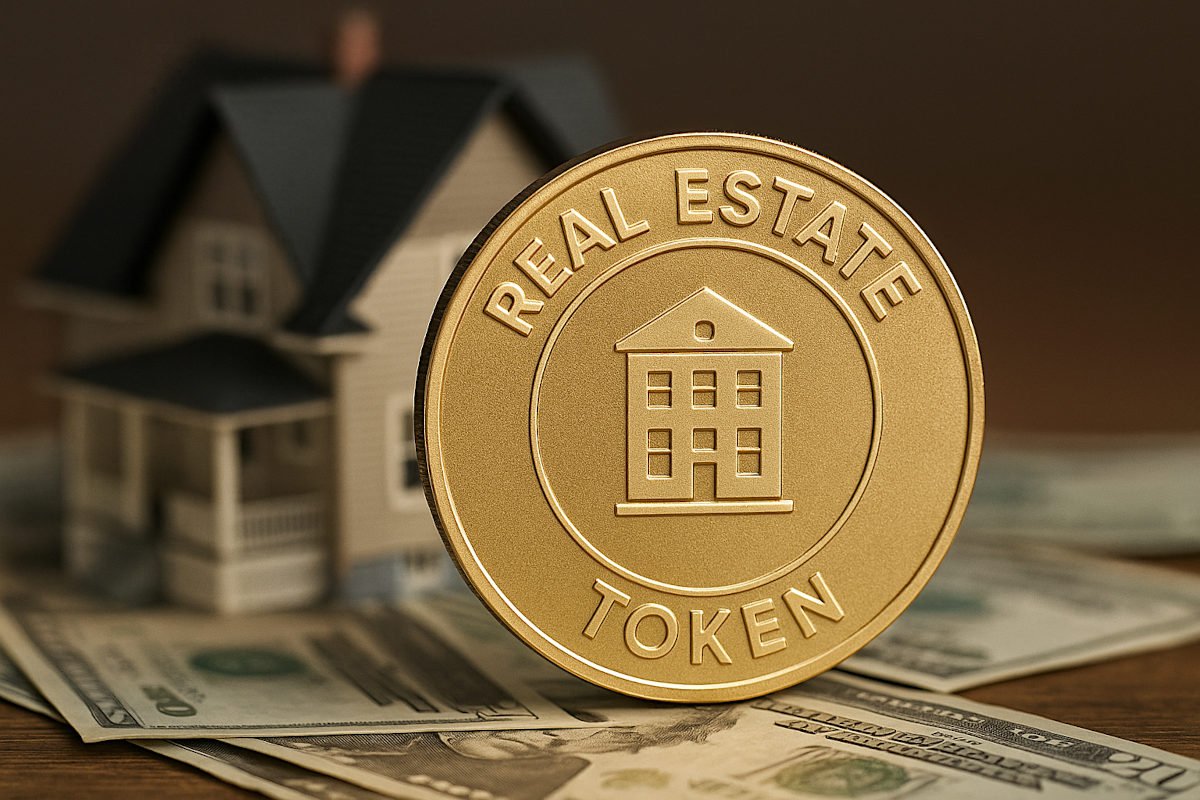
The next phase of property tokenization may depend less on blockchain experimentation and more on regulation, identity and legally recognized ownership
Real estate tokenization has spent years being presented as a technological revolution capable of fractionalizing property and opening traditionally illiquid assets to a broader investor base. A new systematic review published in September 2026 suggests that the more important question is increasingly institutional: how can tokenized real estate operate inside regulated markets while maintaining legally enforceable rights, identity controls, governance and secure transaction infrastructure?
The study, published in the Journal of King Saud University Computer and Information Sciences, reviewed 63 primary studies and examined real estate tokenization across architecture, ownership, transactions, certification, stakeholders, technology and adoption barriers. Its findings point toward a transition from registry-focused blockchain experiments toward marketplace-oriented models. But the authors emphasize that tokenization does not replace existing institutions. A digital token only has economic value when the underlying property right or investment claim is legally enforceable and recognized within the relevant regulatory framework.
This distinction is crucial for institutional investors. A blockchain can provide a technically reliable record, but the technology itself does not determine who legally owns a building. Real estate remains deeply connected to land registries, corporate structures, securities regulation, identity verification, taxation, valuation, custody and courts. The successful tokenized property market will therefore likely be one in which blockchain infrastructure becomes integrated with these institutions rather than attempting to bypass them.
Fractional ownership remains one of the most visible potential applications. Instead of requiring a single investor to acquire an entire building, an investment structure could theoretically divide economic interests into digital units. Investors could potentially obtain exposure to rental income or capital appreciation through smaller positions, while the underlying property remains held through an appropriate legal entity or structure.

But fractionalization is only the beginning. Institutional tokenization could eventually support more sophisticated functions: automated distributions, programmable compliance, digital transfer restrictions, transparent ownership records, faster settlement, improved audit trails and potentially more efficient secondary markets. The technological architecture becomes particularly interesting when multiple participants—investors, asset managers, registries, banks, custodians and regulators—can interact through interoperable systems.
The recent academic evidence also highlights the challenges. Identity assurance, legal enforceability, governance, privacy, interoperability, continuous security monitoring and long-term cryptographic resilience are among the requirements identified for regulated deployment. These are not secondary technical details. They are the infrastructure upon which institutional confidence depends.
For large investors, the real opportunity may therefore be less about buying a tokenized apartment and more about the financial infrastructure that tokenization could create around entire portfolios. Imagine a future in which thousands of properties can be represented digitally, ownership structures are machine-readable, compliance rules are embedded into transactions and investors can analyze portfolios through a standardized data layer.
That would transform tokenization from a retail-oriented novelty into an institutional operating system.
The market is not there yet. Much of the academic literature remains dominated by prototypes, simulations and conceptual frameworks, and legal structures vary significantly by jurisdiction. But the direction of research is becoming clearer. The central question is no longer whether a property can be represented digitally. It is whether the entire legal, financial and institutional ecosystem surrounding that property can become interoperable.
For Aurivance, that distinction is essential. The future of tokenized real estate will probably not be determined by the most spectacular blockchain demonstration. It will be determined by who can connect property rights, capital, compliance, identity, data and liquidity into a system investors can trust.
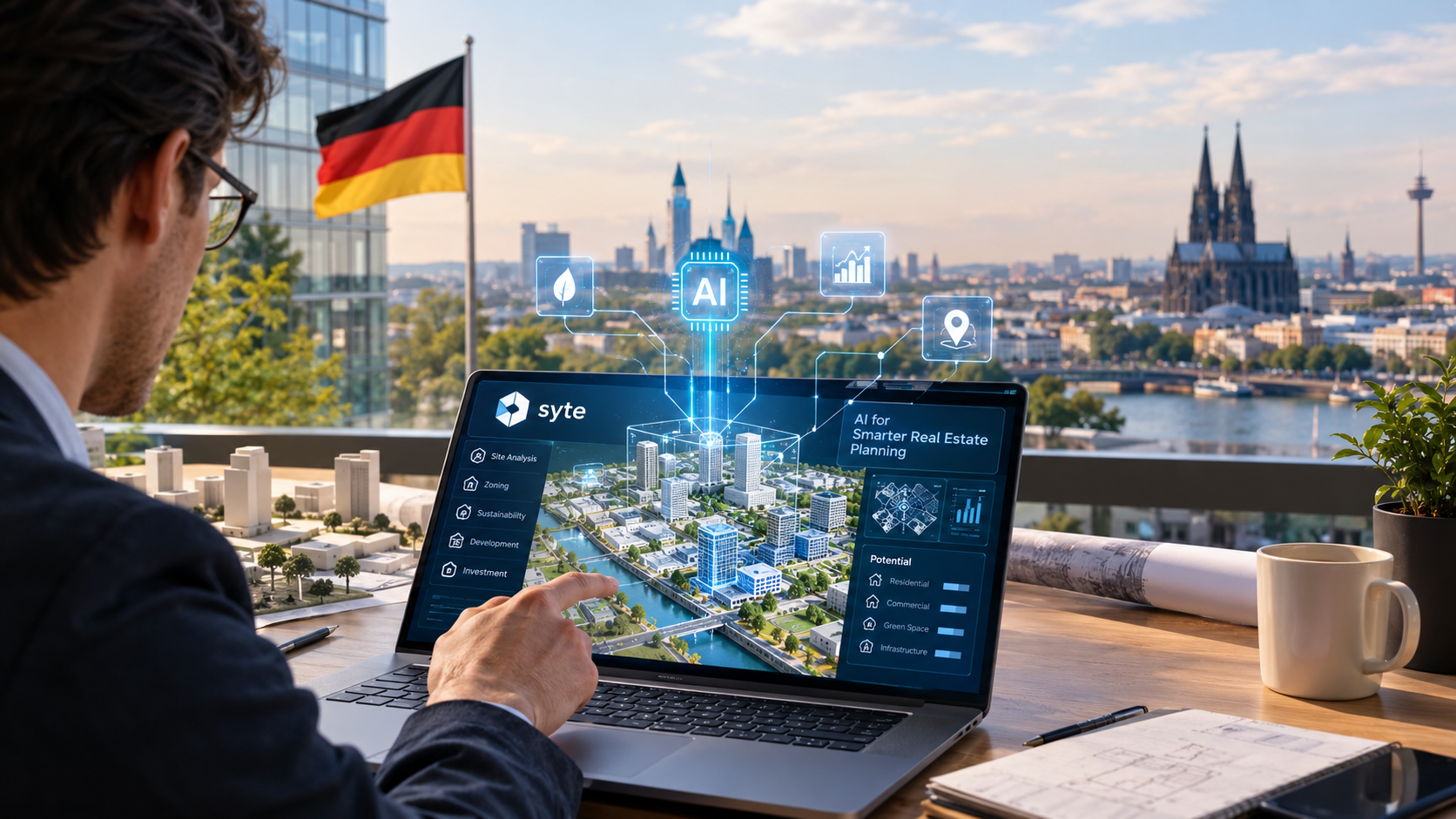
A PropTech platform is using artificial intelligence to compress weeks of early-stage property analysis into minutes
Real estate development has traditionally depended on fragmented information. Developers, banks, architects and investors often need to evaluate land ownership, planning rules, zoning, building potential, renovation requirements, energy performance and economic feasibility before capital can be committed. German PropTech company syte is attempting to automate that process. The company announced in September 2026 that it had raised €9 million in a Series A funding round to expand its AI-powered land and real estate analytics platform across Europe.
The company combines large amounts of land and building data with proprietary artificial intelligence to evaluate what can potentially be built on a particular site, which legal and planning requirements may apply and whether a project could make economic sense. According to High-Tech Gründerfonds, the platform maps more than 62 million parcels in Germany and is already used by more than 200 customers for valuation, planning, investment analysis and portfolio assessment. The company says processes that can otherwise take weeks can be reduced to minutes.
The importance of the technology is easy to underestimate because it operates before construction begins. Yet the earliest stage of a property project is where enormous amounts of value can be created or destroyed. A developer that discovers late in the process that a site cannot support the intended building, that planning restrictions are more severe than expected or that renovation economics do not work may already have invested significant time and capital. Automating preliminary analysis can therefore change the economics of development even without changing the physical construction process.
The company is particularly interesting because its business model illustrates a broader shift in PropTech. Earlier generations of real estate software often focused on administration, listings, accounting or customer relationship management. The new generation is moving deeper into decision-making. AI is being used to answer questions such as: What can be built here? What might it cost? Which regulatory constraints apply? Which properties require renovation? Where are hidden development opportunities?
For institutional investors, this creates a potential competitive advantage. A large portfolio contains thousands or even millions of individual data points. Human teams cannot evaluate every parcel with the same depth. Machine-assisted analysis can instead identify a smaller set of properties that deserve human attention. The technology does not eliminate investment judgment; it changes where that judgment is applied.
syte’s €9 million financing is therefore less interesting as a startup funding headline than as a signal of where the real estate technology market is heading. The company says its recurring revenue doubled year-on-year and that it intends to expand beyond Germany into the wider European market.
The broader opportunity is the creation of a machine-readable real estate market. If every parcel, building, planning rule, energy characteristic and economic variable can be digitally represented and analyzed, investors can move from searching for properties to systematically discovering opportunities.
That transition is particularly relevant to the future of Aurivance. The next generation of real estate intelligence will not simply tell investors what happened. It will help them understand what could happen on a particular piece of land, in a particular building or across an entire portfolio. AI-powered property intelligence could ultimately become one of the most important layers between raw real estate data and investment decisions.

Investing in real estate associated with the world’s tallest buildings offers unique opportunities due to their iconic status, prime locations, and diverse revenue streams. These skyscrapers, often located in global financial hubs, attract high-profile tenants, tourists, and investors, making them lucrative assets in commercial real estate. Below, we explore the top five tallest buildings in the world as of 2025, their investment potential, and reasons why they are compelling for real estate investors. Additionally, we highlight how platforms like Profitoken.com and its Auri Project could tokenize such assets to democratize investment opportunities.
Top 5 Tallest Buildings in the World (2025)
-
Burj Khalifa, Dubai, UAE
-
Height: 829.8 meters (2,722 feet)
-
Floors: 163
-
Developer: Emaar Properties
-
Investment Profile: The Burj Khalifa is a mixed-use tower with luxury residences, corporate offices, a hotel (Armani Hotel), and retail spaces. Its residential units, sold at premium prices (up to USD 5,000 per square foot), generate high returns through sales and rentals. The tower’s observation deck and tourism-related revenue add to its financial appeal.
-
Market Value: Estimated at USD 1.5 billion for the building, with surrounding developments increasing Emaar’s portfolio value.
-
-
Merdeka 118, Kuala Lumpur, Malaysia
-
Height: 678.9 meters (2,227 feet)
-
Floors: 118
-
Developer: Permodalan Nasional Berhad (PNB)
-
Investment Profile: Completed in 2023, Merdeka 118 hosts offices, a Park Hyatt hotel, retail spaces, and residential units. Its strategic location in Kuala Lumpur’s financial district ensures high demand from multinational corporations. The tower’s sustainable design aligns with ESG (Environmental, Social, and Governance) investment criteria, attracting institutional investors.
-
Market Value: Approximately USD 1.2 billion, with strong rental yields from premium office spaces.
-
-
Tokyo Torch (Tokiwabashi Tower), Tokyo, Japan
-
Height: 390 meters (1,280 feet) (Note: While not as tall as others, it’s among the tallest in Japan, a key real estate market, and part of a major redevelopment.)
-
Floors: 63
-
Developer: Mitsubishi Estate
-
Investment Profile: Part of the Tokyo Torch redevelopment, this mixed-use tower includes offices, retail, and cultural spaces. Tokyo’s stable real estate market and high demand for Grade-A office space make it a low-risk investment. The tower’s integration with smart city technologies enhances its appeal.
-
Market Value: Estimated at USD 800 million, with potential for capital appreciation in Tokyo’s competitive market.
-
-
One World Trade Center, New York City, USA
-
Height: 541.3 meters (1,776 feet, including spire)
-
Floors: 104
-
Developer: Port Authority of New York and New Jersey
-
Investment Profile: A symbol of resilience, this office tower hosts major tenants like Condé Nast and Moody’s. Its location in Manhattan’s World Trade Center complex ensures high rental rates (USD 80-100 per square foot). The building’s LEED Gold certification appeals to ESG investors, and its retail and observation deck generate additional revenue.
-
Market Value: Valued at over USD 3.8 billion, with steady cash flows from long-term leases.
-
-
Lotte World Tower, Seoul, South Korea
-
Height: 555.7 meters (1,821 feet)
-
Floors: 123
-
Developer: Lotte Corporation
-
Investment Profile: This mixed-use tower features offices, luxury residences, a hotel, and a retail mall. Seoul’s growing status as a global city drives demand for premium real estate. The tower’s observation deck and cultural facilities attract millions of visitors annually, boosting ancillary revenue.
-
Market Value: Approximately USD 2.5 billion, with strong returns from residential sales and commercial leases.
-
Why Invest in These Iconic Skyscrapers?
Investing in the world’s tallest buildings is attractive for several reasons, combining financial returns with strategic advantages:
-
Prestige and Brand Value:
These buildings are global landmarks, attracting high-net-worth tenants, multinational corporations, and luxury brands. For example, the Burj Khalifa’s Armani Hotel and corporate offices command premium rents due to their prestigious address. This brand value ensures consistent demand and high occupancy rates, reducing investment risk. -
Prime Locations in Economic Hubs:
Located in cities like Dubai, New York, and Tokyo, these towers benefit from strong economic activity and infrastructure. Urbanization and population growth in these hubs drive demand for office, retail, and residential spaces, ensuring long-term capital appreciation. For instance, One World Trade Center’s Manhattan location guarantees high rental yields due to limited supply. -
Diversified Revenue Streams:
Mixed-use designs (offices, hotels, residences, retail, and tourism) provide multiple income sources. For example, Merdeka 118’s Park Hyatt hotel and observation deck generate tourism revenue, while Lotte World Tower’s mall and residences offer rental and sales income. This diversification mitigates market volatility. -
Sustainability and ESG Appeal:
Many of these buildings, like Merdeka 118 and One World Trade Center, incorporate green technologies (e.g., energy-efficient systems, LEED certifications). Investors prioritizing ESG criteria find these assets appealing, as they align with global sustainability trends and attract eco-conscious tenants. -
High Returns and Liquidity Potential:
These properties offer strong rental yields (5-8% annually) and capital gains (10-30% over 3-5 years in prime markets). Platforms like Profitoken.com, through its Auri Project, enhance liquidity by tokenizing these assets. For example, investors can buy digital tokens representing fractional ownership in a building like the Burj Khalifa, starting at USD 100, and trade them on blockchain-based exchanges, offering flexibility unavailable in traditional real estate. -
Resilience to Economic Shocks:
Iconic buildings often weather economic downturns better than smaller properties due to their unique status and diversified tenant base. For instance, during the COVID-19 pandemic, One World Trade Center maintained high occupancy due to long-term leases with blue-chip tenants. -
Tourism and Ancillary Revenue:
Observation decks, cultural facilities, and hotels in towers like the Burj Khalifa and Lotte World Tower attract millions of visitors, generating significant non-rental income. This makes them less dependent on traditional real estate cycles.
Tokenization with Profitoken.com and the Auri Project
The Auri Project by Profitoken.com exemplifies how modern technology can make investing in iconic skyscrapers accessible. By tokenizing assets like the Burj Khalifa or Merdeka 118, Profitoken.com allows investors to own fractional shares via blockchain-based tokens. This democratizes access, enabling retail investors to participate in high-value real estate with low entry costs (e.g., USD 100). The platform’s news portal educates users on tokenization benefits, such as liquidity, transparency, and reduced intermediary costs. Additionally, Profitoken.com could tokenize green bonds to fund sustainable upgrades in these towers, aligning with ESG goals and attracting socially responsible investors.
Challenges and Mitigation
-
High Initial Costs: Direct investment requires significant capital. Mitigation: Use platforms like Profitoken.com for fractional ownership via tokens.
-
Market Risks: Economic downturns or oversupply can affect rents. Mitigation: Diversified revenue and prime locations reduce exposure, as seen in One World Trade Center’s stable tenancy.
-
Regulatory Hurdles: Cross-border investments face legal complexities. Mitigation: Partner with experienced firms and leverage blockchain for transparent compliance, as offered by Profitoken.com.
Conclusion
Investing in the world’s tallest buildings, such as the Burj Khalifa, Merdeka 118, Tokyo Torch, One World Trade Center, and Lotte World Tower, offers a compelling blend of prestige, diversified income, and resilience. Their prime locations, sustainability features, and global appeal ensure strong returns and capital appreciation. Platforms like Profitoken.com and its Auri Project enhance accessibility by tokenizing these assets, allowing investors to participate in iconic real estate with minimal capital. As urbanization and demand for premium properties grow, these skyscrapers remain a cornerstone of high-yield real estate investment.

Why He’s Betting Big on Land
Bill Gates, the Microsoft co-founder and one of the world’s richest individuals, has made waves with his massive investments in real estate, particularly in agricultural land. With a fortune exceeding $150 billion (per the Bloomberg Billionaires Index, 2025), Gates has become the largest private owner of farmland in the United States, owning around 270,000 acres. His portfolio blends luxurious homes with vast rural holdings, reflecting a mix of financial strategy, philanthropy, and a vision for sustainable agriculture. Here’s a breakdown of why he invests in fields and the key properties in his real estate empire.
Why Bill Gates Invests in Fields
Gates’ interest in farmland goes beyond mere speculation. In a 2021 Reddit “Ask Me Anything” session, he explained his goal to boost land productivity and create jobs. Here’s what drives his strategy:
-
Productivity and Sustainability: Gates aims to enhance agricultural efficiency using innovative technologies, like climate-resilient crops. His Gates Ag One initiative, part of the Bill & Melinda Gates Foundation, supports research to help small farmers in low-income countries adapt to environmental challenges.
-
Diversification: With tech markets fluctuating, farmland offers long-term stability. It’s a tangible asset that appreciates over time, diversifying his wealth beyond Microsoft.
-
Climate Change Response: In his book How to Avoid a Climate Disaster (2021), Gates emphasizes transforming agriculture to cut emissions and ensure food security, suggesting his land investments align with this mission.
-
Long-Term Value: While he’s dismissed conspiracy theories about controlling food supply, the rising value of his land holdings reflects a classic investment play.
In short, Gates sees farmland as a way to blend profit with purpose, tackling global issues like climate change and food security.
Bill Gates’ Real Estate Portfolio
Gates’ real estate holdings span luxurious residences and expansive agricultural lands. Here are the highlights:
1. Farmland Across the U.S.
-
Total Acreage: Approximately 270,000 acres (109,265 hectares), per Land Report (2024), making him the top private farmland owner in the U.S.
-
Key Locations:
-
Louisiana: 69,071 acres, including cropland and wetlands.
-
Arkansas: 47,927 acres, largely devoted to rice and other crops.
-
Arizona: 25,750 acres, part of a residential development project with 80,000 planned homes.
-
Nebraska: 20,588 acres, focused on intensive farming.
-
Washington: 16,000 acres, including a 14,500-acre Horse Heaven Hills tract bought for $171 million in 2018.
-
Other States: Holdings in California, Idaho, Illinois, Iowa, Kansas, Mississippi, Montana, North Dakota, Oklahoma, Oregon, South Dakota, and Wyoming.
-
-
Estimated Value: Between $690 million and $1 billion, depending on market trends.
2. Xanadu 2.0 (Medina, Washington)
-
Purchase: Bought in 1988 for $2.9 million, with over $63 million in renovations.
-
Details: This 66,000-square-foot (6,132 m²) mansion features 7 bedrooms, 24 bathrooms, a home theater, a pool with a waterfall, and a 23-car garage. Its cutting-edge tech adjusts lighting and temperature based on occupant movement.
-
Location: Lakeside on Lake Washington, near Seattle, serving as his primary residence.
3. Additional West Coast Properties
-
Rancho in California: A 4,900-acre estate in Santa Cruz, acquired in 2019 for $171 million, partly used for conservation.
-
Del Mar, California: A 5,800-square-foot (539 m²) beachfront mansion bought in 2014 for $18 million, with Pacific Ocean views.
4. Wyoming Ranches
-
Holdings: Multiple ranches in Carbon County, including Beartooth Ranch (14,000 acres) and others totaling over 30,000 acres, purchased between 2007 and 2020 for about $150 million. These include private lakes and hunting grounds.
-
Purpose: Used as family retreats and for environmental conservation projects.
5. Florida Properties
-
Wellington Mansion: Acquired in 2016 for $8.9 million, a 7,000-square-foot (650 m²) estate with horse stables, reflecting his equestrian interests.
6. Other Real Estate Assets
-
Through Cascade Investment LLC, his personal investment firm, Gates holds stakes in commercial and residential properties, though specific details are less public.
A Strategic Vision
Gates’ real estate strategy blends luxury with purpose. While his homes like Xanadu 2.0 symbolize status, his vast farmland holdings highlight a focus on sustainability and food security, aligning with his foundation’s goals. Unlike Jeff Bezos, who leans toward urban luxury, Gates bets on rural land and agricultural innovation. As of 12:32 AM -03 on August 19, 2025, his portfolio continues to grow, balancing profit with a global impact.
Sources:
-
Land Report (2024), Top 100 Landowners
-
Gates’ Reddit AMA (2021), Ask Me Anything
-
Business Insider, Gates’ Farmland Investments
-
Forbes, Gates’ Real Estate Holdings
-
The New York Times, Gates on Climate and Agriculture


Asia-Pacific’s Luxury Real Estate Market Moves Beyond Its Traditional Wealth Hubs

Marbella’s Leap From 35th to 5th Confirms Spain’s New Status

Greece’s Island Property Boom Collides With a Hard Constraint: Infrastructure

AI Is Becoming a Real Estate Investment Story

Maldives: Eagle Hills Advances a $12 Billion Waterfront and Marina Vision
